Why This Book?
That probably tells you everything you need to know about my experience as a novelist. This is my first book.
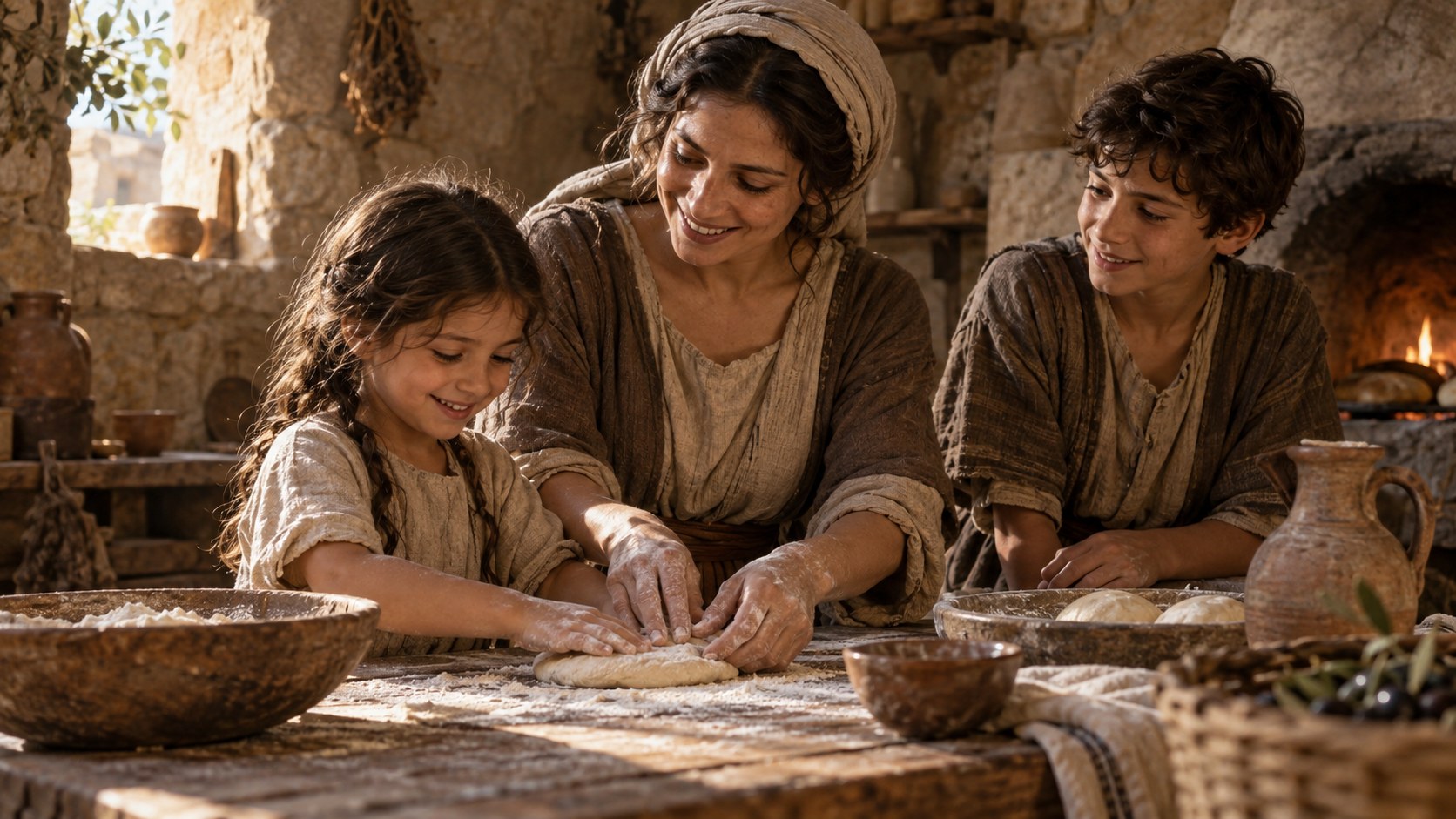
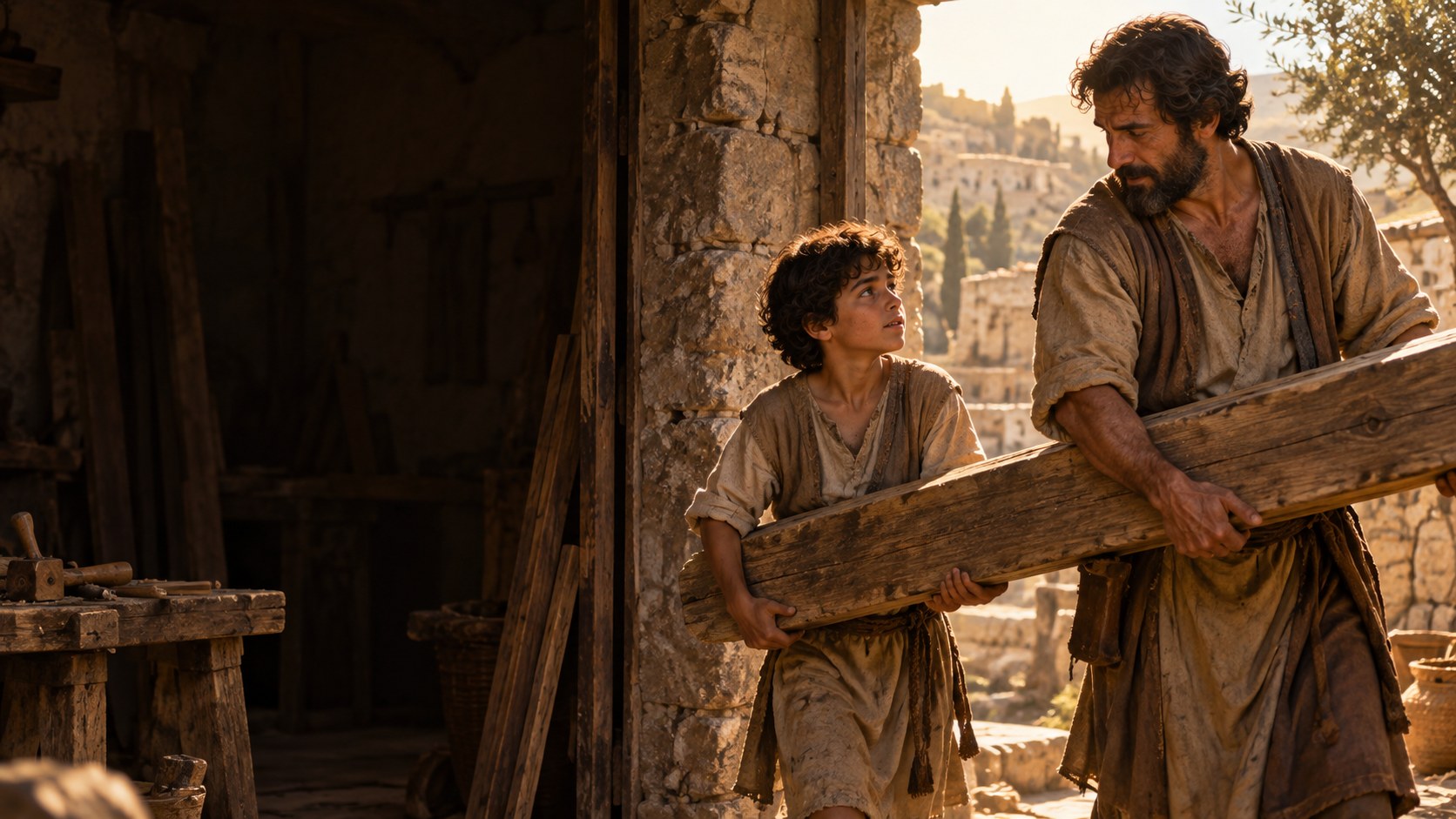
So little is recorded about Jesus’ life between twelve and thirty that I assumed I had plenty of room to work. Eighteen years. A family. A carpenter’s shop. A small town with a reputation that prompted someone to ask, “Can anything good come out of Nazareth?”
Then I started writing.
I wrote hundreds of pages and threw them away. At one point, I realized I had allowed events to move forward without letting the characters grow older. Children stayed children while years passed around them. Apparently, keeping track of time is something novelists are expected to do.
But fixing their ages was easy compared with the questions that followed.
Jesus lived about thirty years before beginning a public ministry of roughly three. What happened during all that living? What did he learn through work, disappointment, friendship, and family? What did it mean for him to grow?
I believe Jesus was fully divine and fully human. Putting that belief into a story forced me to think carefully about what I meant by fully human.
Could he cut a piece of wood too short? Have to practice something before becoming good at it? What did he understand about his future, and when did he understand it?
And then came the question that stopped me more than once: Do I dare put words in Jesus’ mouth—or thoughts in his mind?
His family made the story even more complicated. His brothers did not believe in him during his ministry, yet James and Jude are associated with two New Testament letters. How did that disbelief develop beneath the same roof? How did Mary and Joseph explain the angel’s visitation and Joseph’s dream? What would it feel like to hear that the brother beside you at the table was the promised Messiah?
Would you believe it? Would you resent him? Would you wonder whether your parents loved him more?
Eventually, I needed a working premise for the novel: I would take his humanity seriously. He would learn, grow tired, wait, and face choices with real consequences. I would not reach for extraordinary powers whenever ordinary life became difficult.
That still left the hardest questions.
How do I portray temptation honestly and respectfully? What did his sinlessness mean in the presence of a genuine choice? Did his divinity shield him from struggles other people faced? What about sexual temptation, the desire to be accepted, or the urge to answer cruelty with cruelty?
I have wrestled with these questions throughout the writing. Some remain questions.
They matter to me because so much of following Jesus happens in ordinary, uncertain circumstances. We pray and hear no answer. We reach what feels like the end of our strength, and God seems silent. We have responsibilities to meet while we are still waiting to understand.
Those largely unrecorded years account for roughly ninety percent of Jesus’ earthly life. I keep wondering what his humanity looked like within them—and what imagining those years might help us notice about our own.
I am sure I have misunderstood things. When I see him face to face, I suspect we may share a laugh at my expense. For now, I see through a glass, darkly.
This book grew out of my desire to look a little longer.
I’d love to hear your thoughts. What have you wondered about the years before the world knew him?
Share your thoughts with Russ